
Getting Fayette County Court Records
Figure out the court first. The Fayette County Clerk of Courts holds Common Pleas General and Domestic Relations material. Common Pleas CaseLook can find its general docket. But the display may lag behind a filing or a judicial action by at least a day. Washington Court House Municipal Court runs its own record system. Probate and Juvenile each have separate division offices. So a blank Common Pleas search does not tell you whether another Fayette County court holds the record.
Give the case number if you have it. Without one, supply the exact caption, the division, a date range, and the exact item you need. Say whether you want a docket, a plain copy, or a certified document. Recordings and transcripts are separate items. A request that narrow helps the clerk find the right record and spot any access limit.
- Search the relevant CaseLook portal to identify the correct Fayette County court, case number, and public docket entry.
- For a Common Pleas record, contact the Clerk by phone or visit the courthouse counter with the case details and document request.
- For a Municipal, Probate, or Juvenile record, contact that court's own clerk or division office rather than redirecting the request through Common Pleas.
- Use the Juvenile Court's paper or email request path when it applies, and arrange advance payment before a copy is mailed.
- For older material, ask about the historic CaseLook route, the Records & Archives Center, or the court's current delivery instructions.
Note: Ohio has no single public portal that searches every Fayette County trial-court record, so court selection is the first part of a useful request.
Fayette County Court Records by Office
Court records in Fayette County sit in more than one place. Common Pleas CaseLook holds the clerk's CA, CV, CR, DR, JL, and MI case groups. The Municipal Court runs its own CaseLook. It covers traffic, criminal, civil, small-claims, and parking cases. Henschen eFile only moves filings through the system. It is not a docket search tool. It cannot take the place of CaseLook or a clerk request.
For Common Pleas records, the main courthouse counter is your best stop. Probate and Juvenile sit in the same building. But they keep separate contacts. Older series may live at the county's Records & Archives Center instead. Anything from before 2001 goes through a Kofile/AppXtender channel the Clerk points to. Check first before assuming an online search will reach an older Fayette County court record.
Fayette County Clerk of Courts
110 East Court Street
Washington Court House, OH 43160
740-335-6371
Court Record Types
A docket is only an index of activity. It is not the full case file. Behind a Fayette County docket entry sit the filing that opened the case, later motions and notices, service returns, orders, judgments, recordings, transcripts, exhibits, and clerk certifications. Whether you can see a given item, view it remotely, or get it in a certain format depends on the case stage and the access rules that apply.
- General-docket entries that list filings, notices, settings, and court action.
- Pleadings, complaints, motions, memoranda, and service returns when public access permits.
- Orders and judgments, including a requested certified document when the clerk can certify it.
- Hearing audio or an original transcript requested through the applicable Common Pleas process.
- Probate, Juvenile, Municipal, and archived material held by the division or custodian responsible for that series.
Ask the court which version exists. A portal may show that an event happened, while the public document copy must be picked up at the counter or may be restricted altogether.
Fayette County Court Record Requests
A narrow request beats a request for the whole file. For Common Pleas, give the case number or exact caption. Add the division. Also include the hearing or filing date if that detail matters, plus the named document or docket period. Name the document or docket period you need. Transcript requests follow the local rules. File the court form with the Clerk. Include the case or caption plus the hearing date and time. Copy the judge's office too.
The county's administrative public-records form has fields for the records sought, dates, and department routing. Use it as an administrative fallback. It cannot decide access to a judicial case file. Court material belongs with the court custodian. If access is limited, ask for the rule, order, or statute that controls it. No statewide all-courts public search can replace that local routing.
The Fayette County Juvenile Court is one of the division-level access points. Its published rules set out specific written requests and an acknowledgment or response practice. That process still does not open every juvenile record to the public.
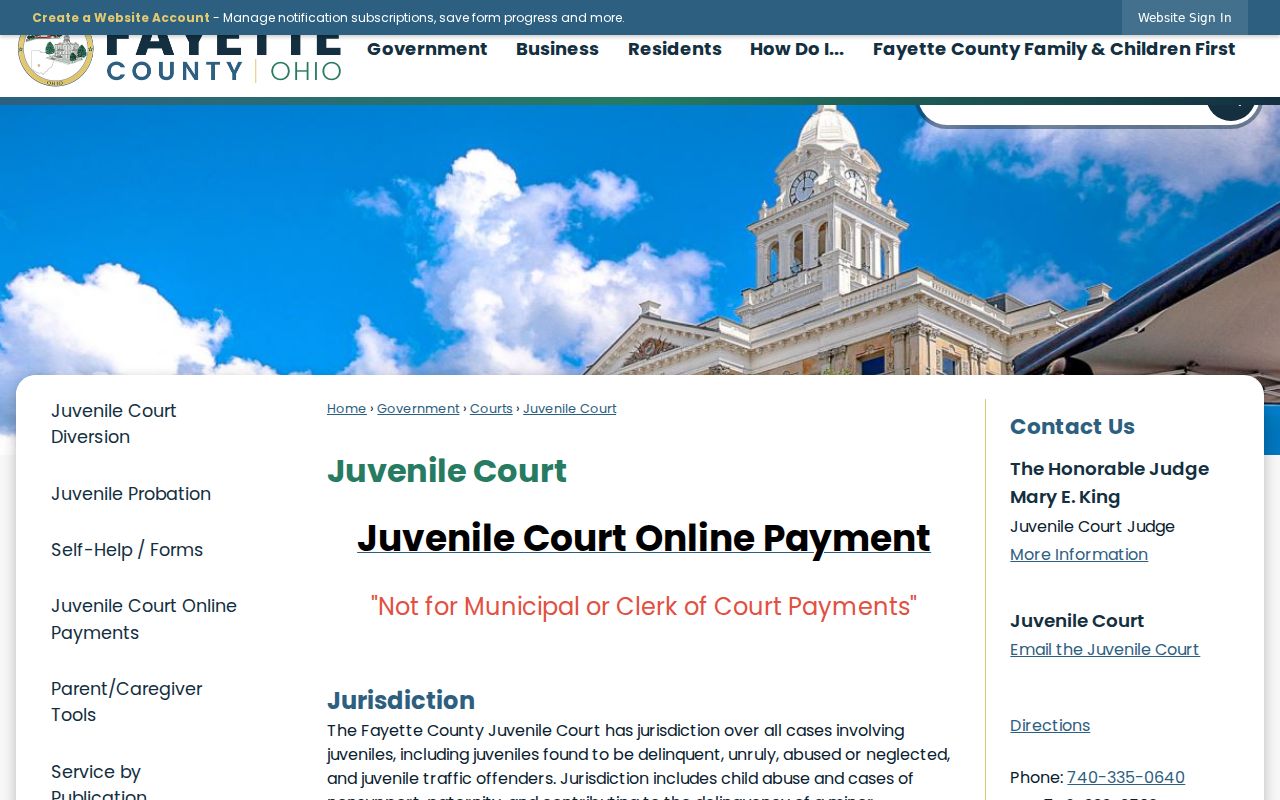
The division route matters because Juvenile records carry separate access rules, redaction, and sealing provisions.
Note: A request should identify the public docket and specific public document sought, rather than invite disclosure of protected personal information.
Inside a Fayette County Court Record
Read a Fayette County court record as layers that fit together. The docket gives the timeline. The case documents hold the actual text, where public access allows. A calendar or setting entry lists an event. It is not by itself a final outcome. Going through entries in date order helps you tell a filing from a request. It also separates a court order from a judgment.
| Case number | The court-assigned identifier used by the clerk and the applicable CaseLook system. |
|---|---|
| General docket | A chronological record of filings, notices, settings, orders, and other recorded court action. |
| Case documents | Pleadings, motions, notices, service returns, orders, or judgments that may have separate access treatment. |
| Hearing material | A listed setting, audio record, or transcript, each with its own request method and availability rules. |
| Clerk certification | An authenticated copy issued under the clerk's procedure, unlike an ordinary portal display. |
Names and other identifiers may be limited in a public display. So a public docket entry does not mean every attachment, exhibit, or piece of personal data is available through the same channel.
Fayette Court Record Copies Versus Portal Prints
CaseLook is good for finding a Fayette County case and its general docket. It is not a certified record. The Common Pleas interface itself warns that information can be delayed. The court's separate eFile service does not prove a submission was accepted. It does not show that a deadline moved, either. When exact wording or official authentication matters, ask the clerk for the specific copy type. Do not trust a search screen.
The Fayette County Probate Court keeps a division-level office for its own records. Name Probate or Juvenile up front. Do not treat Common Pleas CaseLook as one window onto every record series.
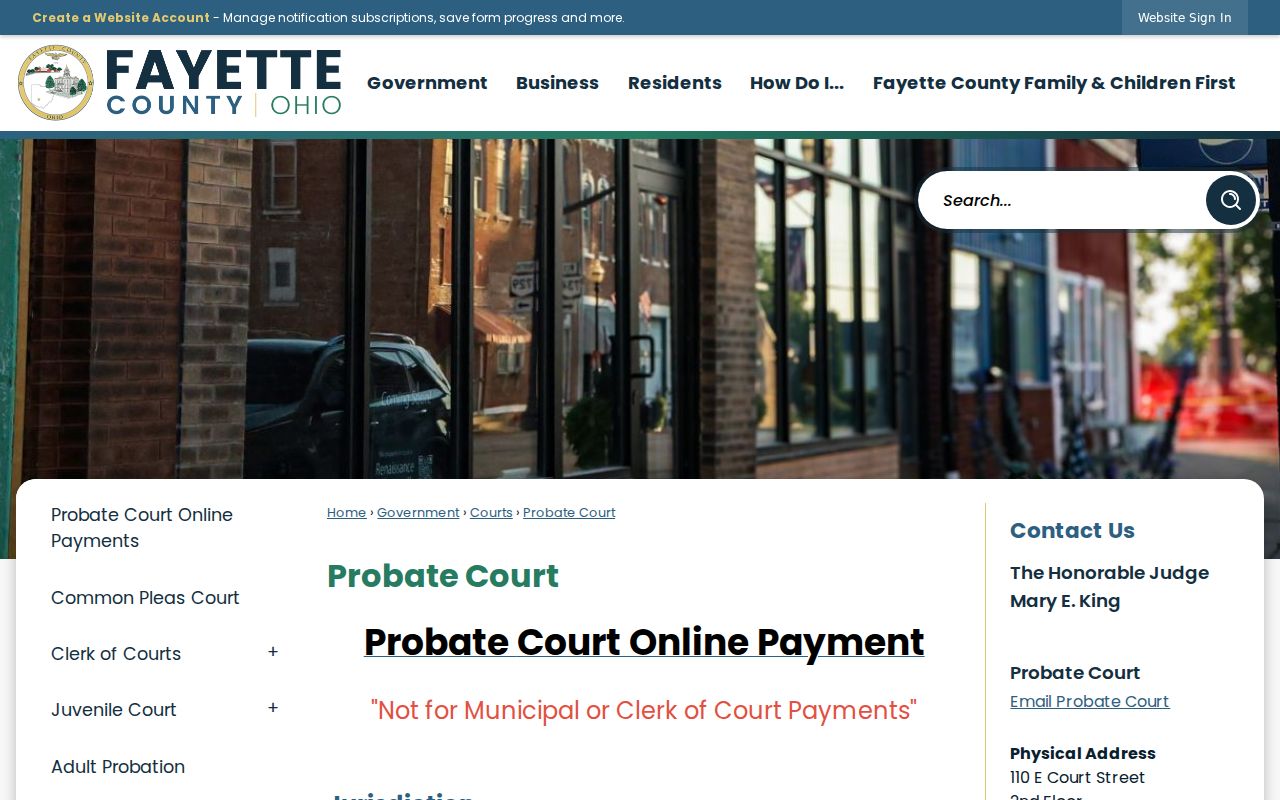
Fayette County splits record duties across offices. So when you call, stop at the counter, or write, name the court, the division, and the type of court record you need.
Fees and Certified Copies
What is the difference? An ordinary copy is just a reprint of a public item. A certified copy carries the court's or clerk's own authentication. That is why it costs more. It also takes an extra step. Fayette County keeps separate fee schedules for Common Pleas and Municipal Court. Whichever court issues the record sets both the price and the payment method. Treat the posted figures as a starting point. They do not promise a particular file is on hand, and a schedule can change.
| Office and item | Published amount |
|---|---|
| Common Pleas regular copy | $0.25 per page |
| Common Pleas certification | $1 per document |
| Common Pleas audio CD | $2.50, plus mailing where applicable |
| Common Pleas original transcript | $5 per page under the local-rule request method |
| Municipal photocopy | $0.15 per page |
| Municipal certified document | $10 per document |
| Municipal audio | $20 |
| Juvenile paper copy | $0.15 per page, with advance payment for mailed copies |
Before you send money, ask the clerk about deposits, accepted payment, pickup, delivery, and any archive location. The Common Pleas schedule carries a published effective date. Municipal Court's fee page is dated separately.
Note: Published fees identify the usual copy category, but the court must still confirm access, current amount, payment method, and delivery option.
Historic Fayette County Court Records
A Fayette County court record from an earlier era may not live in the current portal at all. Anything predating 2001 goes elsewhere. The county points researchers to Kofile/AppXtender for that. The Records & Archives Center also reports court-related holdings stretching back into the nineteenth century. The present courthouse has housed several divisions over the years. Where a series sits, or what format it takes, can vary. So a blank result in today's interface tells you little about whether an older Fayette County court record exists.
The Records & Archives Center sits at 201 South Fayette Street in Washington Court House. Listed weekday hours are 10:00 a.m. to 2:00 p.m. The public number is 740-333-3510. Call and confirm the holding and the access path with staff before you plan a visit around it.
Sealed Records and Public Access
Judicial-record access in Ohio runs under Rules of Superintendence 44 through 47. Rule 45 presumes records are public. The same rules cover exceptions, redaction, and restrictions. When a Fayette County court record seems missing, the cause could be mundane or serious: the wrong court, a format gap, slow indexing, legacy storage, a restriction, or a sealed record. The right move is a narrow procedural request to the custodian. Trying to reconstruct withheld material yourself is not.
Ohio court-access rules: Rules of Superintendence 44 through 47 define court-record terms and the public-access framework, including the Rule 45 presumption and its limits. R.C. 2303.12 addresses Common Pleas general-docket duties and qualifying remote access. R.C. 2303.901 requires omission of personal identifiers from case documents. R.C. 2953.32 covers qualifying criminal sealing proceedings, and R.C. 2151.356 addresses juvenile-record sealing.
For the identifier rule that can pull details out of an otherwise public document, read the official text of R.C. 2303.901.
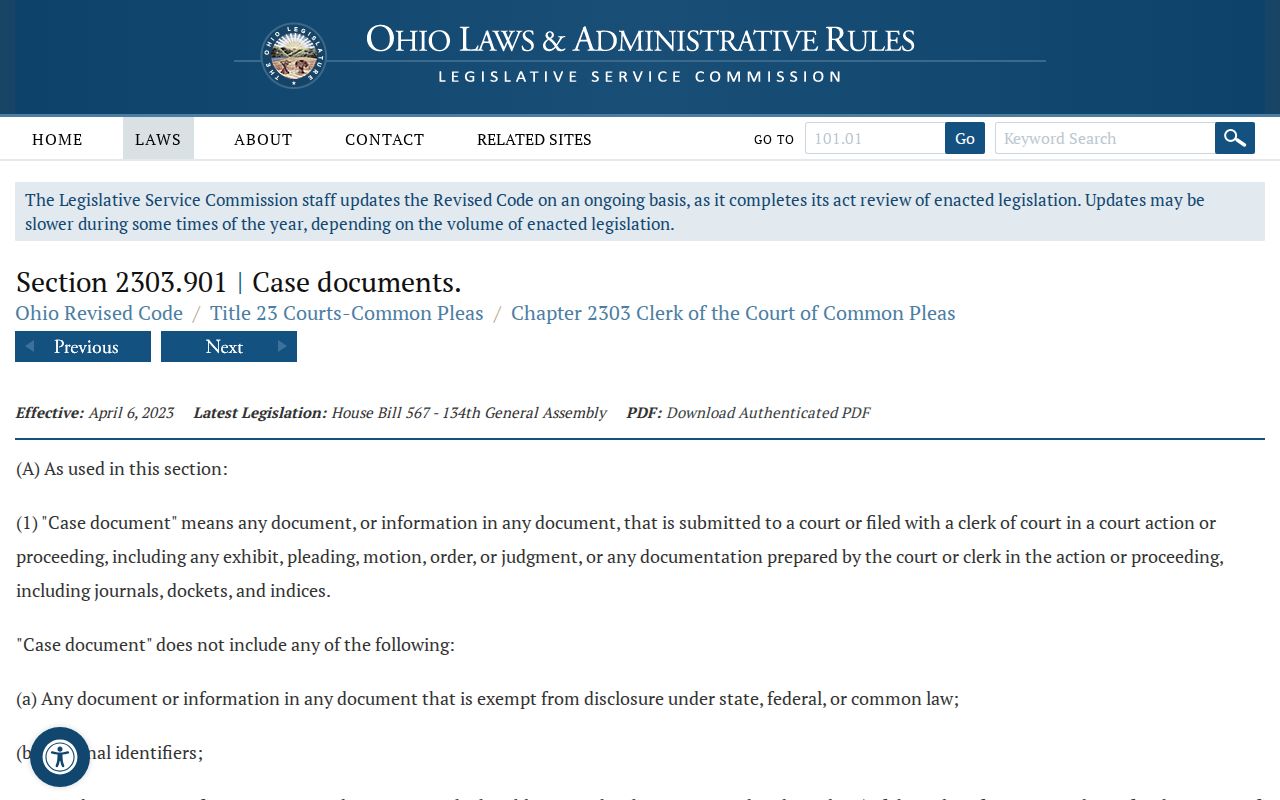
It is fair to ask the clerk a direct question. Is a public docket entry available, and what rule, order, or statute limits the response?
Fayette County Court Record Access Rules
The Ohio Public Records Act still matters for county administrative records. It is no shortcut into a judicial case file. A court file answers to the court's own rules, orders, and custodian. The county request form can route an administrative ask. It cannot override the Rules of Superintendence or rebrand a restricted case document as an ordinary county record. The state public-records statute that governs the administrative side is R.C. 149.43, and its official text spells out those duties.
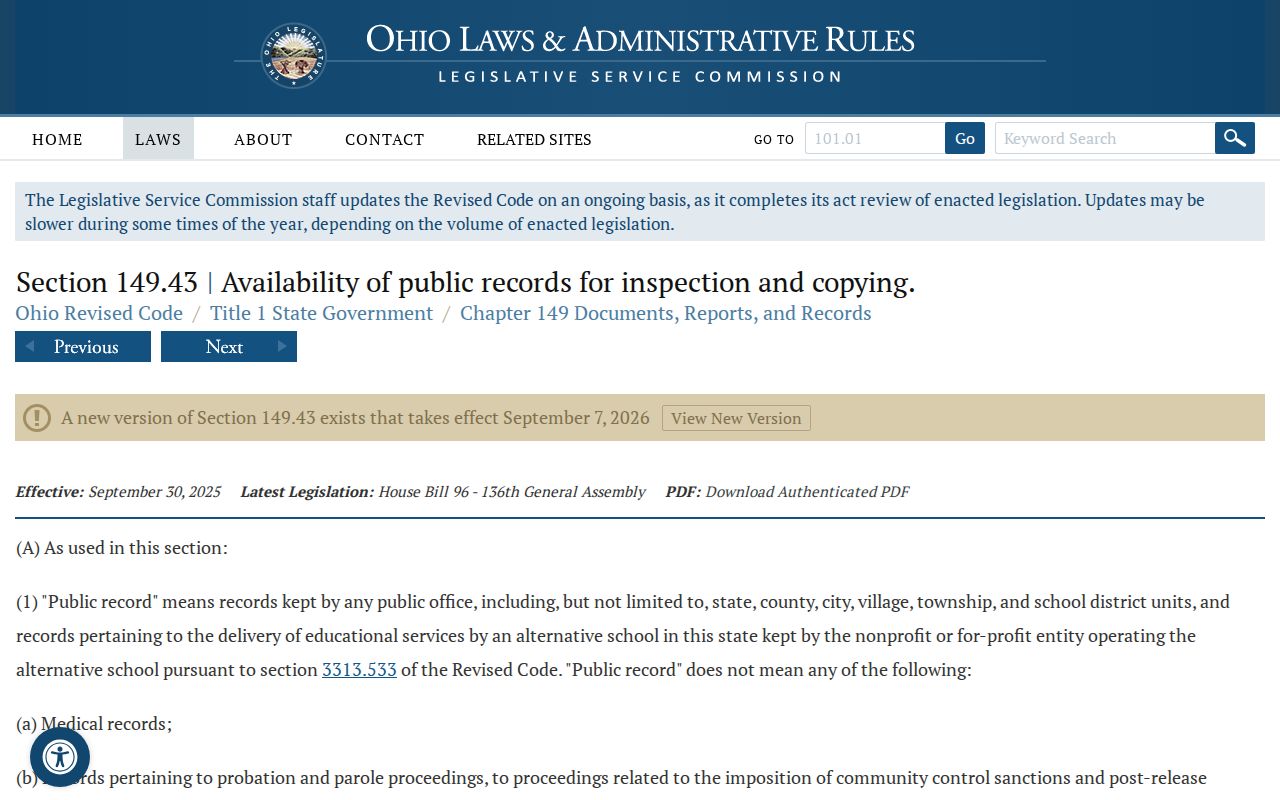
Making a judicial request comes down to three steps. Identify the exact court and item, ask whether a public copy exists, and, if the clerk cannot provide it, request the access authority behind that answer.
Note: A restriction response should identify the applicable rule, order, or statute without asking staff to disclose protected case content.